FreeWire Staff | FreeWire Magazine — Your News, Your Voice
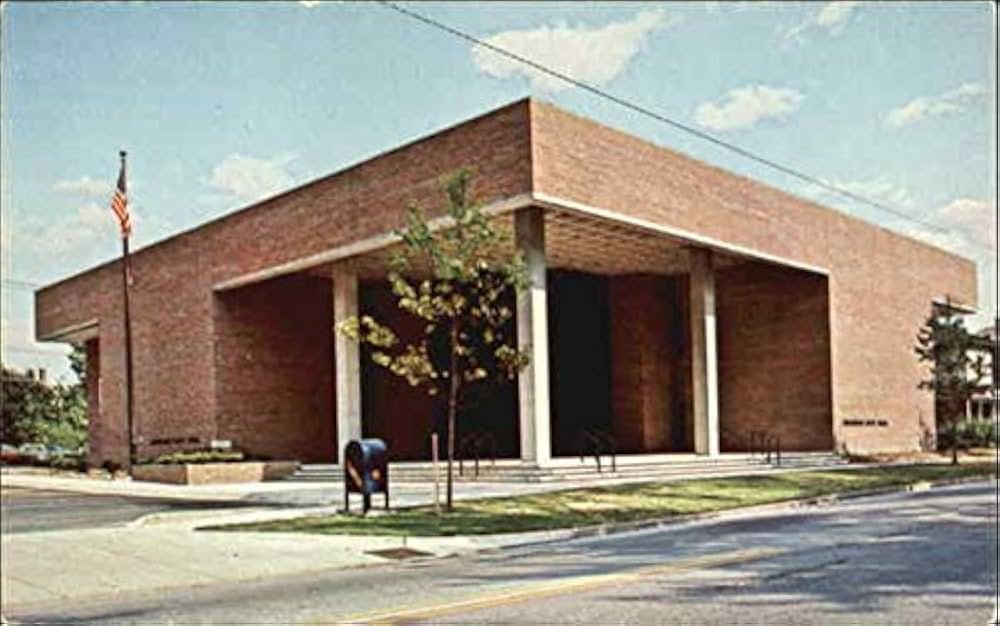
A marathon week of Bucyrus City Council meetings put long-simmering community issues squarely on the table as council members and local residents debated the future of public parks, a crumbling emergency fleet, and recurring utility transparency issues during the regular session on July 7 and subsequent committee meetings on July 9. The sessions revealed deep undercurrents of frustration among taxpayers, who consistently challenged local officials on spending priorities, economic development returns, and code enforcement. As council moves closer to placing critical decisions on the upcoming November ballot, the debates highlighted a growing struggle between administrative policy and direct public accountability.
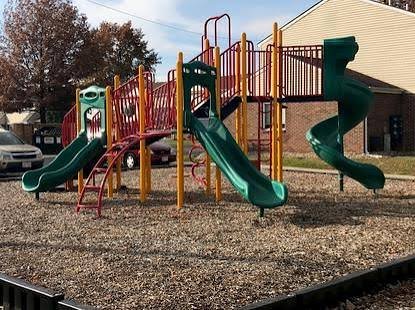
The fate of the Aumiller Park pool and its funding dominated the back half of the week, culminating in a critical move by the Finance Committee. The committee officially requested an emergency resolution to place a 0.1% income tax levy on the November ballot, which would span a four-year period. To broaden voter appeal, the legislation bundles all city parks—including Lions, Harmon, Picking, and the Shines Art Park—with the pool. If passed, the levy is expected to free up roughly $150,000 in the General Fund, which city officials hope to redirect toward replacing the city’s desperately outdated police and fire vehicles.
During the levy discussions, the debate over access grew tense. A taxpayer argued fiercely that the promise of free swimming for taxpaying residents must be explicitly written into the ballot language to prevent future administrations from reversing the policy. Law Director Gobrecht countered that outside legal counsel Squire Patton Boggs advised that access policies are strictly administrative, not legislative, meaning the language cannot legally go on the ballot. As a compromise, former commercial pool expert Fred Fisher offered to permanently donate Point-of-Sale software to the city. This would allow the administration to issue plastic ID cards to local taxpayers for free entry while still easily charging out-of-town visitors.
Public anxiety also spiked over rumors that the city pool was slated to be filled with dirt due to catastrophic, unfixable structural leaks. Officer Bursby, who personally scuba-dived the pool last year, confirmed he found leaks around the stairs and upper seams. However, Fisher stepped in during public comments to clarify that the leaks are almost certainly a failure of the caulking in the concrete expansion joints—a routine maintenance issue rather than a multi-million-dollar structural disaster. Meanwhile, a citizen advocated for privatizing the pool to cut public losses, but council members quickly shut the idea down, noting that the park land was originally donated to the city under strict legal covenants requiring it to remain a public space.
Outside of recreational funding, taxpayers challenged the return on investment of the Crawford Partnership, questioning the value Bucyrus gets for its $50,000 annual contribution. They pointed out that six months into the year, the 170 jobs promised in 2025 by IB-Tech have yet to materialize, though officials noted that Forge Fire is doing well and has scaled up to roughly 60 employees. Concerns were also raised about local utility billing, with residents alleging that certain commercial entities are paying minimum rates of $24.50 a week for unlimited trash pickup while residential taxpayers are strictly capped at six bags for $20. A formal request was made for a special committee to investigate city trash billing.
The Service Committee heard ongoing complaints from residents regarding Omni Fiber crews. Over a year after initial installations, neighborhoods are still dealing with exposed orange lines and unrectified yard damage. Additionally, resident Wesley Howell reported that his property at 1125 Reed Street has been flooded for two weeks due to a city water leak and poor road crowning. Similar localized flooding issues on Tiffin Street and Oakridge have also been reported directly to FreeWire by frustrated property owners who feel their complaints are being sidelined. Safety Service Director Tommy Sterner committed to inspecting the Reed Street site first thing the following morning. Meanwhile, the Ad Hoc Property Maintenance Code Committee was officially dissolved after its chair admitted that the group had failed to achieve any actionable progress over its two-year existence.
The Health and Safety Committee faced stark realities regarding the city’s aging emergency vehicles. The Police Department detailed an urgent need for new cruisers, looking at Dodge Durangos that run roughly $85,000 each fully outfitted. On the fire side, the department’s 2005 ladder truck is broken down yet again, with Chief Schwimley handling the mechanical repairs himself to save on tight budget costs. To help clean up local properties, Law Director Gobrecht requested draft legislation to turn junk vehicle violations into a criminal ordinance, which would bypass slow civil property maintenance codes. This drew immediate pushback from taxpayers who labeled the proposal government overreach, arguing it was wrong to fine citizens who have multiple running, registered vehicles parked on their own private property.
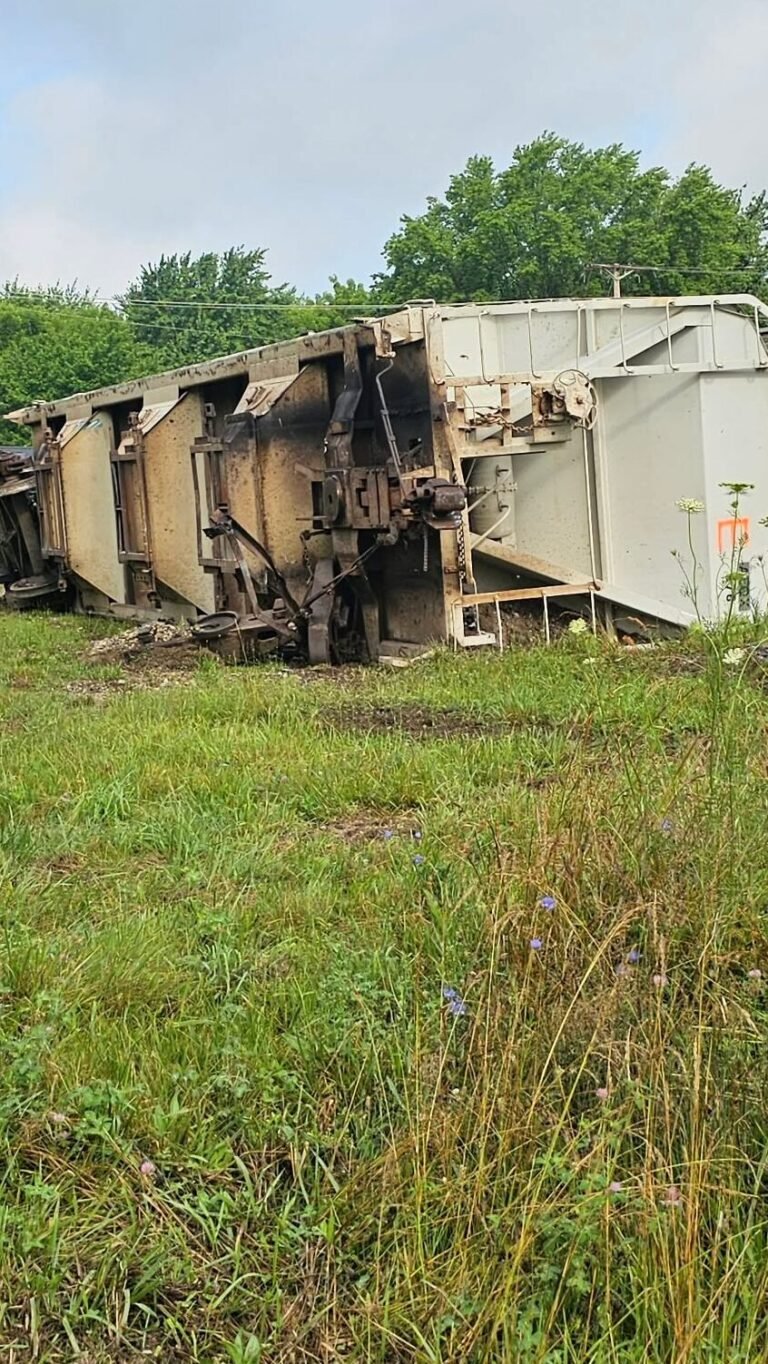
In other city business, council formally adopted Ordinance 5-2026, amending local zoning to permit fueling stations and convenience stores as conditional uses within the Downtown Business district. Ray Thitoff also announced a successful partnership with the Bucyrus Public Library to install a 20-station Story Walk along the Aumiller Park trail, funded entirely by the library at zero cost to the city. Finally, Mayor Truka issued a formal commendation to the Bucyrus Fire and Police Departments, the Crawford County Sheriff’s Office, and surrounding mutual aid agencies for their rapid, coordinated response to the recent train derailment on Whetstone Street.
As Bucyrus moves into the late summer, these meetings show a community at a crossroads, balancing critical infrastructure needs against a tight budget and growing public skepticism. Whether voters will trust the administration enough to pass the park levy in November remains to be seen, especially as daily headaches like water leaks, fiber optic installation damage, and emergency vehicle breakdowns continue to test the city’s limits. For now, council’s immediate challenge will be proving to taxpayers that municipal funds are being managed with the transparency and efficiency the public is demanding.
About The Author