








by Logan Andew | FreeWire Magazine — Your News, Your Voice
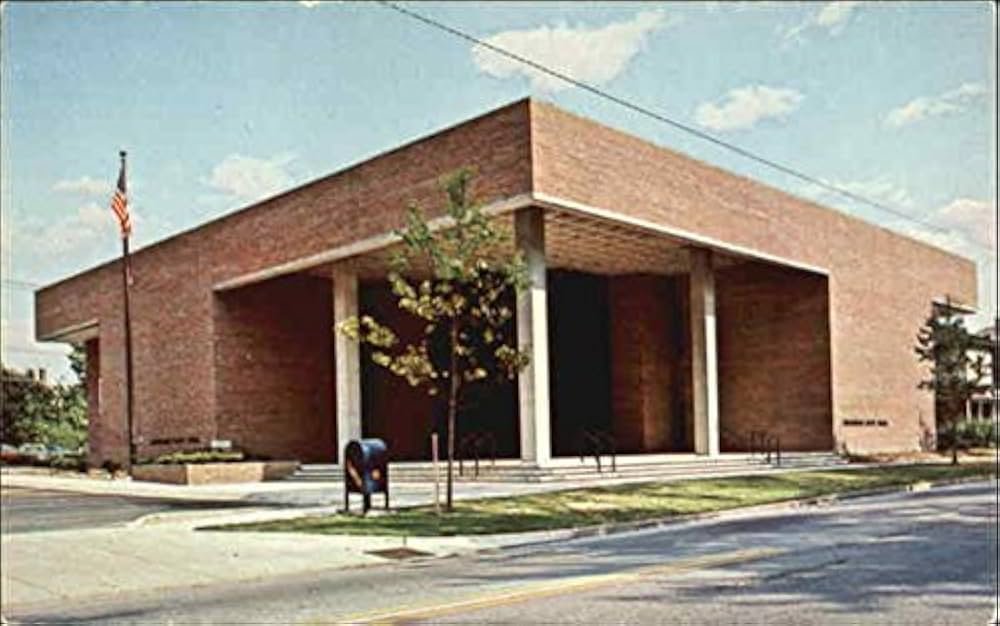
Over two nights of meetings on November 18 and 20, Bucyrus City Council moved through routine business but spent much of its time wrestling with three big themes: how the community responds to mental health and domestic violence, how the city will comply with new statewide cybersecurity requirements, and what to do with aging city-owned properties like the former YMCA and North End fire station.
Nov. 18 regular council meeting
At the November 18 regular meeting, council handled the usual mix of minutes, ordinances and housekeeping items and set the table for several of the committee discussions that followed two nights later.
Much of the more detailed policy talk was pushed to committee, but the regular meeting helped frame the issues that would dominate November 20: concerns about mental health and domestic violence in light of recent tragedies, questions about how the city shares information with the public, and ongoing efforts to clean up open projects and backlogged minutes across committees.
Committee Night — November 20
Health & Safety Committee: Mental Health, Domestic Violence, and a New Ad Hoc
The Health & Safety Committee spent most of its meeting engaged in a wide-ranging conversation about mental health, addiction, domestic violence, and the limits of the current system.
Council member Clarissa Slater revisited concerns she raised earlier this month about how fragmented the local system is. She argued the community needs a more centralized approach to resources and stressed that the goal isn’t just punishment, but accountability paired with support before situations escalate into violence.
Police Chief Jon Dorsey described current resources like the Crawford County Quick Response Team, which can respond 24/7 to people facing addiction or suicidal crises. He said many residents hesitate to call 911 because they fear being arrested, even though officers aren’t aiming to criminalize mental health episodes.
Citizen Alena Fox explained the key role of NAMI and the 988 crisis line, and said rural counties are struggling to attract mental health professionals. When someone needs hospitalization, local agencies frequently have to transport patients to Mansfield or Marion, and sometimes even farther, pulling local staff off the street for hours at a time.
Fox also highlighted the Stepping Up initiative, a state-backed effort designed to get courts, law enforcement, service providers, and treatment agencies on the same page instead of operating in silos. She encouraged Bucyrus to re-engage with the program and coordinate more closely with the local ADAMH board.
The committee agreed the biggest hurdle is decentralization—families and officials all have trouble knowing where to start.
To keep momentum, council leadership proposed creating an ad hoc committee at the start of the next council term to focus specifically on mental health and domestic violence coordination. Slater and Fox agreed to serve and will suggest additional members.
During public comment, this FreeWire editor raised data from the audience showing a high rate of prior domestic violence among shooters who kill family or intimate partners. He floated the idea of a dedicated domestic-violence registry or public resource, while acknowledging such a system may require county or state involvement.
Resident Robert Taylor responded with concerns about civil liberties and noted that domestic-violence charges already trigger immediate restrictions before trial. Fox clarified that the Stepping Up model is not about new penalties but about making existing services function cohesively.
After an extended discussion, the chair closed the topic for the night, noting it will return once the ad hoc committee is formally created.
Health & Safety Committee: Cybersecurity and House Bill 96
The committee then shifted to House Bill 96, a massive cybersecurity mandate requiring cities to establish incident-response plans, risk assessments, and reporting protocols. Bucyrus is already past the September 30, 2025 compliance deadline.
Rather than rushing to adopt a template pulled from Tip City, members outlined the steps they need to take:
- Appoint a cybersecurity coordinator.
- Conduct a citywide risk assessment.
- Update or create policies across departments and at the citywide level.
- Run tabletop exercises to test readiness.
- Train employees on security procedures.
Because the bill is more than 3,100 pages, members cautioned against passing anything before fully understanding the requirements. The committee tabled action until December so the administration and law director can confirm which steps must be pursued by legislation and which can be handled internally. Members also discussed using vendors like DataServe or Software Solutions to help draft compliant policies.
Platting Committee: Housekeeping and Old Minutes
The Platting Committee focused heavily on administrative cleanup:
- Approved minutes from June 26 and July 8, 2025, which had been forgotten after being held for review.
- Distributed an updated open-projects list for members to review at home and revisit at the next meeting.
No new zoning or platting items were taken up.
Public Lands & Buildings: YMCA/Skating Rink and the CIC
The Public Lands & Buildings Committee approved long-delayed March 2025 minutes and then turned to the future of the former YMCA/skating rink property, which the city has owned since July.
Members debated whether to continue holding the property or transfer it to the Community Improvement Corporation (CIC) so the CIC can market or develop it. Clarissa Slater argued that letting the building sit without a plan is wasteful and that the CIC could pursue buyers, grants, or potential redevelopment options.
The committee voted to send the property to the CIC. But doing so is mostly theoretical for now:
- The CIC currently has no money or insurance.
- Before accepting property, it needs board liability insurance, general liability coverage, and enough cash flow for basic upkeep and taxes.
- A similar transfer—the North End fire station—was already approved by council but hasn’t moved forward for the same reason.
Members also noted that a lease-to-own deal for the fire station could generate seed money for the CIC, though the issue will be handled at CIC meetings rather than in this committee.
Public comments included debate over whether the city owes the CIC roughly $97,000 based on how other cities structure their CICs. The law director clarified that Bucyrus’ CIC is set up differently and that those financial questions have to be handled within CIC procedures, not Public Lands & Buildings.
In short: the committee supports giving the CIC authority over the YMCA property, but the transfer won’t happen until the CIC can actually administer it.
Finance Committee: Posting Laws, Open Projects, and December Scheduling
The final meeting of the night was the Finance Committee.
A longstanding lateral sewer item remains in open projects but currently has no financial impact, so it will stay off future agendas unless needed. The city expects its annual GAP-conversion notice from Local Government Services in early December and will revisit that item once the letter arrives.
Members discussed the city’s outdated ordinance on how legislation must be published. After reviewing city code, they noted that since 1986 Bucyrus has been allowed to post full texts of ordinances in designated public locations instead of running costly full publications in the newspaper. Communication Director Bonnie Welsh created a dedicated legislation section on the city website, with the Documents on Demand portal serving as a second access point.
Before eliminating newspaper publication entirely, the city will confirm whether locations like the library or courthouse still expect paper copies and whether they can be provided electronically. Because the current code already permits alternatives to newspaper publication, the committee withdrew a previous request for new legislation on that point. A larger cleanup of Chapter 113 and an updated request-for-legislation form will come early next year.
Finally, the committee discussed conflicts with Candlelight Christmas on December 4. Members agreed to move December committee night into the following week, with the exact date to be set at the December 2 council meeting once availability is confirmed.
The meeting adjourned at 8:35 p.m.
A Notable Observation
One recurring theme, noted quietly by several attendees as the night went on, was the tone of the meetings themselves. Without naming names, there was a clear sense that the pacing, civility, and productivity of both nights seemed to improve depending on who was present — and who wasn’t.
The absence of certain voices, or simply the presence of others who kept discussions focused and collaborative, noticeably shaped the flow of the evening. Whether that becomes a trend in the upcoming term remains to be seen, but the contrast did not go unnoticed by those in the room, nor by those at home.
About The Author




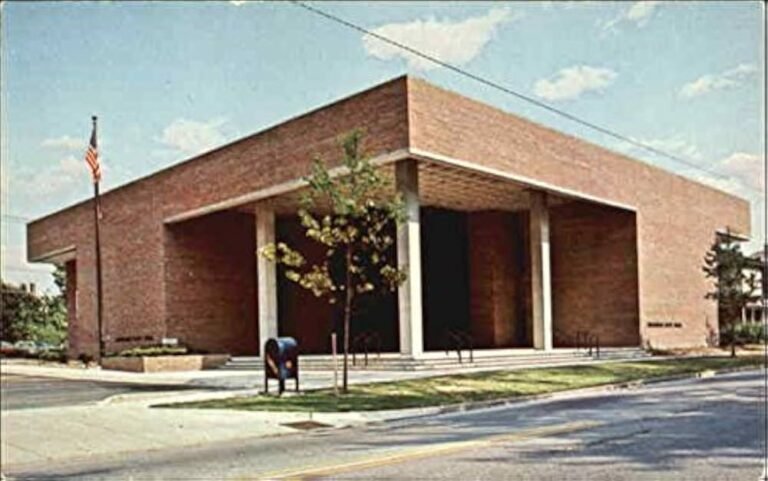



I think selling the north end fire station could be a bad thing to do, What happens when the central station runs out of room? Fire trucks keep getting larger, Added extra type of units, More manpower added, Still has a 1905 floor plan, How much will it cost for a new fire station, You think the City is pressed for money now.